









Key Takeaways:
- On-demand apps are profitable due to scalable revenue models like commission, subscription, and hybrid systems.
- Business model and monetization strategy matter more than app features or design.
- Commission and hybrid models dominate in 2026 due to natural scalability with usage growth.
- Subscription and freemium models create stable, recurring revenue and improve retention.
- AI, personalization, and automation are now core profit drivers, not optional enhancements.
- The right on-demand app development company directly impacts scalability and ROI.
- Businesses that treat apps as revenue systems (not just digital products) achieve significantly higher long-term success.
“Your biggest business opportunities in 2026 are being built inside on-demand apps.”
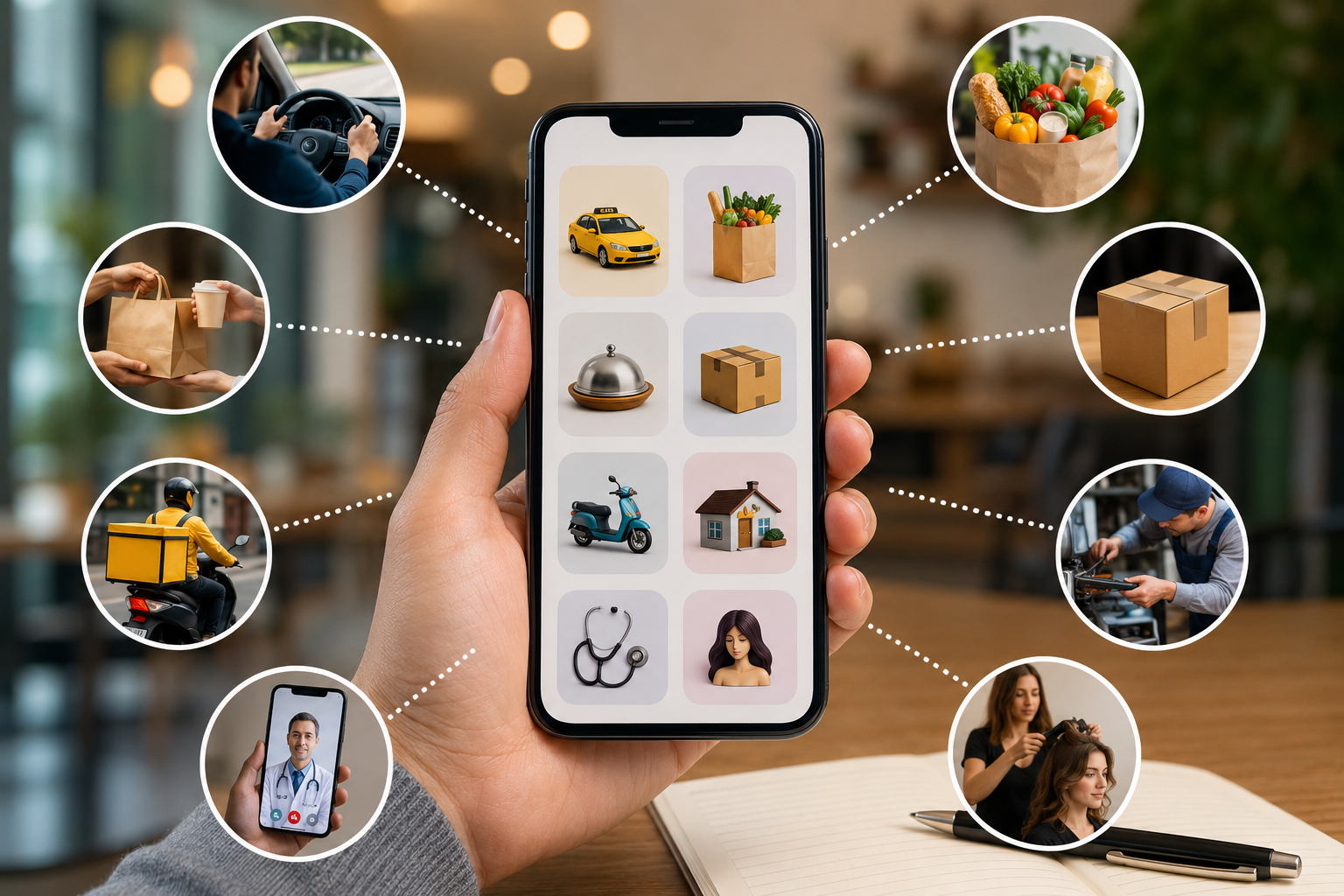
The on-demand economy has become one of the most profitable digital business ecosystems worldwide. From ride-booking and food delivery to healthcare consultations and home services, consumers now expect instant access to services through smart mobile experiences.
Companies like Uber, DoorDash, Airbnb, and Instacart have completely transformed customer behavior worldwide by building scalable on-demand applications.
However, one question continues to dominate discussions among founders and business leaders across USA, UK, UAE, and beyond:
How do profitable on-demand apps actually make money in 2026?
The answer lies in choosing the right business model for app, scalable technology infrastructure, and monetization strategy from the beginning.
At Vrinsoft Technology, we have spent 16+ years helping startups, SMEs, large enterprises, and fast-growing businesses build scalable mobile app solutions. As a trusted mobile app development company in USA, we understand that successful apps are built with the right business strategy and long-term scalability planning.
If you are planning to invest in on-demand app development in 2026, this guide will help you understand:
- The most profitable on-demand business models
- How successful apps generate recurring revenue
- Key monetization strategies
- Essential on-demand app features
- Development costs and scalability factors
- Future trends shaping the industry
- How to build an on-demand app that succeeds long-term
Whether you are a startup founder or an enterprise, this guide will help you make smarter decisions before investing in on-demand mobile app development.
What Are On-Demand Apps?
On-demand apps are digital platforms that instantly connect users with products, services, or professionals whenever they need them.
These apps bridge the gap between consumers and service providers through mobile technology, real-time tracking, secure payments, and seamless user experiences.
Popular examples include:
- Transportation apps
- Food delivery apps
- Grocery delivery platforms
- Beauty and salon booking apps
- Healthcare consultation apps
- Home service applications
- Laundry and cleaning apps
- Logistics and courier platforms
- Multi-service marketplaces
Companies like Instacart transformed grocery shopping by offering real-time delivery convenience. Similarly, Uber changed transportation forever through location-based service matching.
This massive shift in consumer behavior is why businesses worldwide are investing heavily in on-demand application development.
Why the Business Model Matters in On-Demand App Development
Many entrepreneurs focus only on app design and technology. However, the real success of an app depends on its business model for app scalability and profitability.
Without the right monetization strategy, even the best-designed app can struggle financially.
Your business model determines:
- How your platform earns revenue
- How vendors or service providers participate
- Customer retention strategies
- Operational efficiency
- Scalability potential
- Long-term investor appeal
For example:
- Uber earns commissions from rides
- DoorDash combines delivery fees, subscriptions, and restaurant commissions
- Airbnb profits through booking service fees
Each platform uses a different apps business model based on user behavior and industry demand.
When working with a top on-demand app development company, your monetization structure should be planned from the beginning, and not added later.
Plan Your On-Demand App Monetization Strategy Before You Build
Most on-demand apps fail due to late monetization decisions. At Vrinsoft, we help you define a scalable, profitable business model before you invest.
Most Profitable On-Demand App Business Models in 2026
Before developing an on-demand app, your business model determines how your platform generates revenue and scales over time. In 2026, the most successful on-demand apps are built on monetization-first thinking rather than feature-first development.
Here are the most profitable models driving the industry today.
1. Commission-Based Business Model
The commission model remains one of the most profitable structures for on-demand app development.
In this model, the platform charges a percentage fee for every successful transaction completed between users and service providers.
How It Works
- Customers place orders or book services
- Vendors or providers fulfill requests
- The platform deducts a commission from each transaction
Best Industries
- Ride-sharing
- Food delivery
- Grocery apps
- Freelance marketplaces
- Home services
Examples
- Uber
- DoorDash
- Airbnb
Why It Works
This model scales efficiently because revenue grows alongside platform activity.
For startups exploring how does an app makes money, commission-based platforms are often the best starting point.
2. Subscription-Based Model
Subscription models create predictable recurring revenue.
Users pay monthly or yearly fees for premium services, faster delivery, discounts, or exclusive features.
Examples
- Delivery memberships
- VIP booking plans
- Premium healthcare consultations
- Enterprise SaaS on-demand applications
Benefits
- Stable cash flow
- Better customer retention
- Higher customer lifetime value
- Easier forecasting for growth
Many successful on-demand app solutions now combine subscriptions with commissions to maximize profitability.
3. Freemium Business Model
The freemium model allows users to access basic services for free while charging for premium upgrades.
Common Premium Features
- Faster bookings
- Advanced analytics
- Ad-free experiences
- Priority support
- Expanded service options
This business model of apps works especially well in highly competitive markets where customer acquisition matters.
4. Advertising Revenue Model
Some on-demand mobile applications generate revenue through in-app advertising.
Common Ad Types
- Banner ads
- Sponsored listings
- Vendor promotions
- Featured service placements
- Video ads
This strategy works well for apps with:
- Large user bases
- High engagement
- Frequent daily activity
However, ads should never negatively affect user experience.
5. Lead Generation Model
Certain on-demand app development solutions focus on generating qualified leads for businesses.
Examples include:
- Real estate apps
- Healthcare consultation apps
- Legal service apps
- Home improvement platforms
Businesses pay for:
- Leads
- Appointments
- Contact requests
- Featured placements
This approach can be highly profitable in service-heavy industries.
6. Aggregator Business Model
The aggregator model centralizes multiple vendors or providers under one platform.
The app acts as a marketplace while maintaining brand consistency.
Examples
- Food delivery apps
- Hotel booking platforms
- Service marketplaces
This model enables rapid scalability while reducing inventory risks.
7. Hybrid Revenue Model
The most profitable on-demand apps in 2026 often combine multiple monetization streams.
A hybrid approach may include:
- Commission fees
- Subscription plans
- Delivery charges
- Vendor onboarding fees
- Sponsored promotions
- Advertising
This reduces revenue dependency on a single source and improves long-term sustainability.
Most Effective Monetization Strategies for On-Demand Apps
If you are wondering how to make an on-demand app profitable, monetization planning should happen early in development.
Here are the most effective strategies used by successful platforms.
(A) Delivery and Convenience Fees
Many on-demand applications charge users convenience or delivery fees based on:
- Distance
- Peak hours
- Demand surges
- Service priority
Dynamic pricing helps maximize revenue during high-demand periods.
(B) Surge Pricing
Popularized by Uber, surge pricing increases prices when demand exceeds supply.
This strategy:
- Balances marketplace demand
- Encourages provider participation
- Improves operational efficiency
- Maximizes profits
(C) Vendor Subscription Plans
Platforms can charge businesses monthly subscription fees for:
- Vendor dashboards
- Analytics tools
- Premium visibility
- Marketing features
This is increasingly popular in B2B on-demand app development services.
(D) Featured Listings and Promotions
Restaurants, service providers, or sellers pay to appear at the top of search results.
This creates an additional advertising revenue stream without disrupting customer experience.
(E) Loyalty Programs
Loyalty systems encourage repeat usage through:
- Reward points
- Cashback
- Referral bonuses
- Membership discounts
Retention is often more profitable than customer acquisition.
Essential On-Demand App Features for Business Success
Choosing the right on-demand app features directly impacts user engagement and platform profitability.
A professional on-demand development company typically recommends features based on your business goals, audience, and industry.
(A) Customer App Features
- User Registration: Simple onboarding through email, phone, or social login.
- Real-Time Tracking: Live order or service tracking improves transparency and trust.
- Secure Payment Integration: Support for cards, wallets, banking, and digital payments.
- Ratings and Reviews: User feedback helps improve service quality.
- Push Notifications: Real-time updates keep users engaged.
- Multi-Language and Multi-Currency Support: Essential for global scalability.
(B) Service Provider Features
- Profile Management: Providers can manage availability, pricing, and services.
- Earnings Dashboard: Transparent income tracking builds trust.
- Route Optimization: Useful for logistics and delivery platforms.
- Availability Controls: Providers can accept or reject requests in real time.
(C) Admin Panel Features
- Analytics Dashboard: Track revenue, user growth, and operational metrics.
- Vendor Management: Monitor service providers and platform activity.
- Commission Management: Automate earnings distribution.
- Customer Support Tools: Centralized issue resolution systems.
How to Build an On-Demand App Successfully
Many businesses searching for how to build an on-demand app underestimate the importance of strategy.
Building scalable on-demand mobile applications involves much more than coding.
Step 1: Market Research
Understand:
- User pain points
- Competitor weaknesses
- Market demand
- Customer expectations
Successful apps solve specific convenience problems.
Step 2: Choose the Right Business Model
Your business model for app monetization should align with:
- Your target audience
- Industry structure
- Scalability goals
- Operational capacity
This is where experienced on-demand app developers provide strategic guidance.
Step 3: Define Features and MVP
Start with a Minimum Viable Product (MVP).
Focus on:
- Core features
- Fast market entry
- User validation
- Scalability preparation
Avoid overbuilding early versions.
Step 4: Select the Right Technology Stack
A reliable on-demand software development company will help you choose scalable technologies for:
- iOS and Android development
- Backend architecture
- Cloud infrastructure
- API integrations
- Real-time data processing
Step 5: UI/UX Design
User experience determines retention.
Your app should offer:
- Intuitive navigation
- Minimal booking friction
- Fast loading times
- Clean interfaces
Step 6: Development and Testing
Professional mobile app development services include:
- Frontend development
- Backend development
- QA testing
- Security audits
- Performance optimization
Step 7: Launch and Scale
After launch:
- Monitor analytics
- Improve features
- Gather feedback
- Optimize retention
- Expand services
Continuous improvement drives long-term growth.
On-Demand App Development Cost in 2026
One of the most common questions founders ask before building a digital product is about the on-demand app development cost. The reality is that pricing varies widely depending on the complexity of your platform, features, and scalability requirements.
| App Type | Estimated Cost Range |
|---|---|
| Basic MVP | $20,000 – $50,000 |
| Mid-Level App | $50,000 – $120,000 |
| Enterprise-Level Platform | $120,000 – $300,000+ |
These costs are influenced by several key factors, including app complexity, feature set, platform choice (iOS, Android, or cross-platform), third-party integrations, UI/UX design requirements, and the location and expertise of the development team.
A top on-demand app development company focuses not just on development cost, but on building long-term value through scalability, performance, and ROI-driven architecture.
Major Challenges in On-Demand App Development
Even highly profitable platforms face challenges.
Understanding these early helps businesses prepare better strategies.
1. Balancing Supply and Demand
Marketplaces fail when there are too few providers or users.
Achieving balance is critical for growth.
2. User Retention
Acquiring users is expensive.
Retaining users through loyalty programs and exceptional UX is essential.
3. Operational Scalability
As platforms grow, infrastructure demands increase.
Your on-demand application development architecture must support:
- High traffic
- Real-time operations
- Large transaction volumes
4. Security and Compliance
Modern apps must prioritize:
- Data protection
- Payment security
- Privacy compliance
- Fraud prevention
5. Intense Competition
The on-demand industry is highly competitive.
Businesses need:
- Strong branding
- Differentiated experiences
- Smart monetization
- Continuous innovation
Why Businesses Partner with a Professional On-Demand App Development Company
Building successful on-demand apps requires far more than technical development.
Successful platforms are built on clear market strategy, scalable architecture, well-planned monetization models, user-focused design, strong security practices, and ongoing technology support.
This is why businesses partner with experienced on-demand app development services providers instead of relying on freelancers or inexperienced teams.
A professional on-demand software development company helps you:
- Validate business ideas
- Build scalable platforms
- Reduce operational risks
- Accelerate time-to-market
- Optimize monetization
- Support long-term growth
Whether you are launching a startup MVP or scaling an enterprise platform, choosing the right mobile app development company directly impacts your business success.
An experienced mobile app development company in USA understands global user expectations, enterprise-grade security standards, and scalable cloud infrastructure. It also ensures cross-platform performance requirements and advanced monetization strategies needed to compete in today’s on-demand economy.
More importantly, the right technology partner acts as a business growth consultant, the one you can trust.
Do, Checkout: On Demand App Development Guide For Business Owners
The Latest On-Demand App Trends — What the Future Holds for Your Business
The on-demand economy is evolving faster than ever, and the businesses leading the market are not simply launching apps anymore. They are building scalable digital ecosystems powered by smart monetization, automation, and customer-first experiences.
The companies winning in 2026 are partnering with experienced on-demand app development services providers who understand where the industry is headed and how to turn digital convenience into long-term profitability.
Here is what is shaping the future of on-demand apps right now:
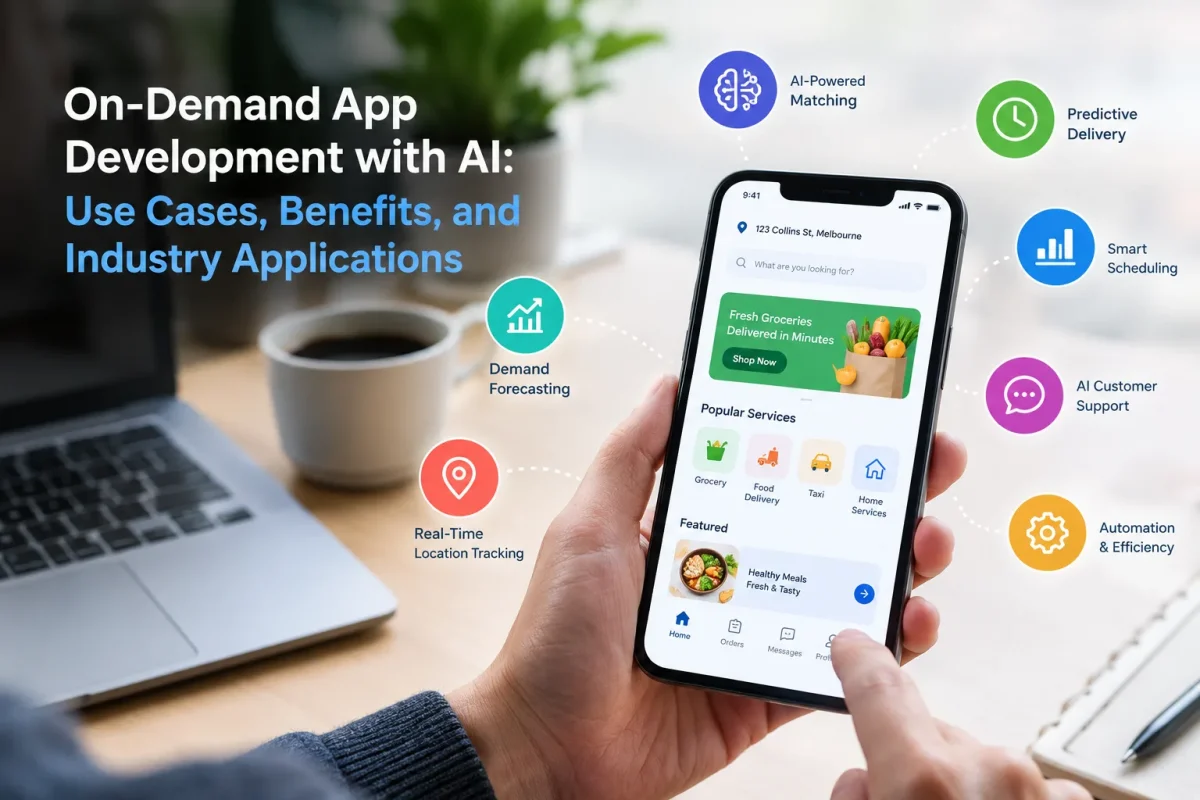
- AI-Powered Personalization – AI-driven recommendations, smart search, and predictive pricing to boost engagement and retention.
- Hyperlocal Service Expansion – Faster, location-based services within nearby areas for instant convenience.
- On-Demand Multi-Service Apps – One platform offering multiple services like delivery, transport, bookings, and payments.
- Automation of Operations – Automating dispatch, routing, support, and notifications to cut costs and improve efficiency.
- Real-Time Analytics & Insights – Using live data to optimize pricing, demand forecasting, and business decisions.
- Cross-Platform Experience – Consistent performance across mobile, web, and connected devices.
- Sustainable Logistics – Eco-friendly delivery models with optimized routes and green fleets.
- Security & Compliance – Strong data protection, fraud prevention, and secure payments in on-demand apps.
These trends are already shaping how on-demand platforms are being designed and scaled in 2026.
Case Study: On Demand Service Provider App
Partner With Vrinsoft Technology to Build Scalable and Profitable On-Demand Apps
You have seen the business models. You understand the monetization strategies. Now the real question is, “Which technology partner will help you actually build and launch a profitable on-demand app?”
At Vrinsoft Technology, we help startups, enterprises, and growing businesses turn ideas into scalable, revenue-ready digital platforms through expert on-demand app development solutions.
With 16+ years of experience, we build on-demand apps focused on real business outcomes, such as user acquisition, retention, and long-term monetization. Every product we develop is designed to scale smoothly and perform in competitive markets.
As a trusted top on-demand app development company and mobile app development company in USA, we deliver several types of solutions. It includes on-demand mobile applications, multi-service platforms, delivery and logistics apps, healthcare solutions, booking systems, and enterprise-grade digital products tailored for growth.
If you are planning to build or scale an on-demand app in 2026, this is the right time to connect with our team.
Contact Vrinsoft Technology for a free consultation and get a clear roadmap for your on-demand app idea.


 sales@vrinsofts.com